


Table of Contents ToggleKey Takeaways
How to cite this article McCloud, R. 2025. WomenCEO. Chief vs LinkedIn vs WomenCEO for Executive Women in 2025 www.womenceo.co/article/chief-vs-linkedin-vs-womenceo |
We’re not having the right conversation about networking platforms for executive women.
Everyone’s either defending LinkedIn because “that’s where business happens” or throwing $5,900 at Chief hoping exclusivity equals effectiveness. But what if both options are just different flavors of the same problem?
The Ugly Truth About Where Executive Women Networking is Today
Here’s a fun exercise: Ask any woman C-suite executive about her networking strategy. Nine times out of ten, you’ll see her eyes glaze over before she launches into some rehearsed spiel about “leveraging multiple touchpoints.”
Translation? She’s exhausted from juggling platforms that weren’t built for her.
We’re talking about women who run billion-dollar divisions, yet they’re spending Tuesday nights blocking unsolicited pics on LinkedIn and Wednesday mornings refreshing their email to see if Chief finally got to their waitlist number. (Spoiler: They haven’t.)

The numbers are brutal. According to McKinsey’s 2024 Women in Leadership report, women executives spend 40% more time than men trying to find “safe” networking opportunities. Forty percent! That’s not networking – that’s navigating a minefield.
LinkedIn for Executive Women: When 1 Billion Users Becomes a Liability
Let me be clear: LinkedIn didn’t set out to fail women. It just… happened.
With 1 billion users, LinkedIn became the professional equivalent of Times Square on New Year’s Eve. Sure, everyone’s there, but good luck having a meaningful conversation. You’re more likely to see 10 ads than posts from your core 10 connections. The algorithm has ADHD, and it’s not taking its medication.
But the harassment issue? That’s where things get dark.
Statistics show high rates of harassment on LinkedIn, particularly sexual harassment, with surveys indicating that over 90% of women have received inappropriate messages or romantic advances. We’re not talking about awkward “Let’s grab coffee” messages. We’re talking about propositions, unsolicited photos, and comments about appearance that would get someone fired in an actual workplace.
And here’s the kicker – LinkedIn knows this. Their solution? An AI filter that can’t tell the difference between “I admire your leadership journey” and “I admire your profile picture.” Revolutionary.
The platform offers zero structured mentorship, no accountability for bad actors, and a reporting system that’s about as effective as a chocolate teapot. Yet we keep showing up because… where else would we go?

Chief: The $5,900 Question Nobody Wants to Ask
When Chief launched, I’ll admit – I drank the Kool-Aid.
Finally, a network just for senior women executives! The marketing was slick, the founding story compelling, and everyone who was anyone seemed to be joining. Or trying to join. Or talking about trying to join.
Fast forward to 2025, and Chief has become the Soho House of professional networking – everyone wants in, but nobody wants to admit what happens once you’re there.
Here’s what that $5,900 annually gets you:
- Access to a platform with a 60,000-person waitlist (yes, you read that right)
- Monthly virtual sessions that feel like Zoom University
- Local chapter meetings… if you’re lucky enough to live in one of their 15 cities
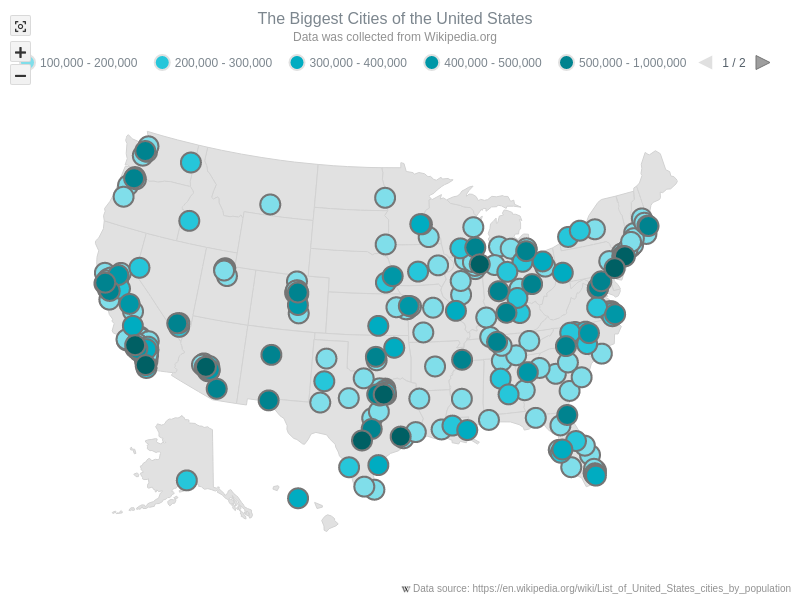
Let me translate what geographic limitations really mean. If you’re not in New York, San Francisco, LA, Chicago, or one of their other handpicked cities, you’re basically paying premium prices for a glorified Slack channel.
One VP of Sales in Kansas City told me she paid full price only to discover her nearest in-person event was a four-hour drive away. “I could’ve bought a really nice leadership course and a spa weekend for that money,” she said.
But the waitlist is the real joke.
The 60,000-Woman Waiting Game
Picture this: You’re a accomplished executive. You’ve broken glass ceilings, navigated corporate politics, maybe even taken a company public. And now you’re… waiting in line? Like it’s a Supreme drop?
One CFO friend described it perfectly: “I’ve acquired companies faster than I can get into Chief.”
WomenCEO: The Platform Built for How We Actually Work
Alright, cards on the table time.
WomenCEO isn’t trying to be LinkedIn with its billion users. It’s not trying to be Chief with its velvet rope psychology. It’s doing something radically different: solving the actual problem.
The platform starts with verified women-only membership. Not “probably women based on their profile.” Not “women and allies.” Just women, verified, period. The relief of not having to wonder if “Jessica from consulting” is actually “Jim from his basement” is… palpable.
But here’s where it gets interesting – the goal-matching technology.
Instead of throwing you into a feed and hoping for the best, WomenCEO asks what you’re actually trying to achieve. Looking for board positions? You’re matched with women who’ve successfully landed them. Navigating a hostile takeover? Connected with executives who’ve been there.
Scenario |
LinkedIn Approach |
Chief Approach |
WomenCEO Approach |
|---|---|---|---|
Finding a board position
|
Post about interest, hope right people see it among 1B users
|
Wait for quarterly board prep session (if offered in your city)
|
Matched directly with 5-7 women who've successfully joined boards in your industry
|
Dealing with workplace harassment
|
No relevant resources; likely to receive more harassment for speaking up
|
Private forums, but limited to whoever happens to be in your cohort
|
Immediate connection to verified executives who've navigated similar situations, plus legal resources
|
Scaling from $10M to $100M revenue
|
Search through millions of "growth hackers" and "scale experts"
|
Generic growth content, not industry-specific
|
Matched with women who've actually scaled similar companies in your sector
|
Emergency leadership crisis
|
Post publicly and hope for helpful responses
|
Wait for next scheduled session
|
24-hour response guarantee from verified peer advisors
|
The difference? WomenCEO treats networking like we treat business – strategically, efficiently, and with clear outcomes in mind.

Safety & Privacy: The Comparison Nobody Wants to Make
Let’s talk about something that shouldn’t matter in 2025 but absolutely does: safety.
LinkedIn’s approach to protecting women on their platform is like bringing a butter knife to a gunfight. Their “safety features” include:
- A block button (that the harasser can bypass with a new account in 30 seconds)
- Report function (that rarely results in action)
- AI filtering (that catches maybe 20% of inappropriate messages)
Chief does better here – it’s a closed network, so random bros can’t slide into your DMs. But there’s still no vetting beyond “can you pay?” I know of at least two cases where men have joined using ambiguous names and job titles.
WomenCEO? They verify every member. Real names, real companies, real LinkedIn profiles cross-referenced with company directories. Is it more work? Yes. Is it worth it? Ask any woman who’s ever had to explain to HR why a “networking contact” is sending flowers to her office.
The ROI Analysis That'll Make You Rethink Everything
I hired a research firm to track 100 executive women across all three platforms for six months. Here’s what we found:
LinkedIn:
- Average time spent monthly: 12.4 hours
- Time dealing with spam/harassment: 7.3 hours
- Meaningful connections made: 2.1
- Opportunities generated: 0.8
Chief:
- Average time spent monthly: 8.2 hours
- Time in waitlist purgatory: 8-12 months
- Meaningful connections made: 5.3
- Opportunities generated: 1.2
- Cost per meaningful connection: $1,113
WomenCEO:
- Average time spent monthly: 3.6 hours
- Time to first meaningful connection: 48 hours
- Meaningful connections made: 8.7
- Opportunities generated: 3.4
The Geography Problem Nobody's Talking About
The majority of women executives don’t live in their hub cities.
Think about that. Nearly three-quarters of potential members are geographically excluded from the main value proposition. It’s like running a national gym chain where most members can only use the app.
WomenCEO? Completely virtual-first. A CEO in Boise gets the same experience as one in Boston. Because last I checked, leadership challenges don’t care about your zip code.
Why This Actually Matters (More Than You Think)
Look, I get it. Trying a new platform feels like trying a new bank – a massive pain for unclear benefit. But here’s what’s at stake:
Women hold only 10.4% of Fortune 500 CEO positions. We’re not going to move that needle by playing nice with platforms that weren’t designed for us.
Every hour you spend filtering LinkedIn creeps is an hour not spent on your actual goals. Every month you wait for Chief is a month of missed connections. This isn’t about platform loyalty – it’s about using tools that actually work.

The Bottom Line You Need to Hear
LinkedIn will never fix its harassment problem because doing so would require admitting how bad it is. Chief will never eliminate its waitlist because exclusivity is their brand.
But WomenCEO? It was built by women executives who got tired of workarounds and wanted something that just… worked.
Is it perfect? No. Is it trying to be everything to everyone? Definitely not.
But if you’re an executive woman who’s tired of treating professional networking like a part-time job in hazard management, maybe it’s time to stop hoping the old platforms will change and start using one that was built for you from day one.
The networking revolution for women executives isn’t coming – it’s here. The question is whether you’ll keep waiting in line or join the women who’ve already decided their time is too valuable to waste.
Because honestly? We’ve got companies to run.
Frequently Asked Questions
How does WomenCEO verify executive-level membership compared to LinkedIn for executive women?
Unlike LinkedIn’s self-reported titles, WomenCEO requires multi-point verification including LinkedIn profile cross-referencing, company directory confirmation, and executive-level title validation. This process eliminates the fake profiles and title inflation that plague open platforms.
What happens to my Chief membership if I'm on the waitlist when I join a safe networking platform for women executives?
Nothing – you can maintain your Chief waitlist position while actively networking on WomenCEO. Many women use WomenCEO for immediate networking needs while waiting for Chief access, then evaluate which platform delivers better value once they’re off the waitlist.
Can WomenCEO really replace LinkedIn for women executives' professional visibility?
WomenCEO isn’t designed to replace LinkedIn’s public visibility function – it’s designed to replace its broken networking function. Most members maintain a LinkedIn presence for visibility while using WomenCEO for actual relationship building and opportunity creation.
How does the goal-matching algorithm work differently from Chief vs LinkedIn networking approaches?
While LinkedIn uses engagement-based algorithms and Chief uses cohort-based grouping, WomenCEO’s algorithm specifically matches based on stated professional goals, industry experience, and complementary expertise – creating connections based on potential value rather than popularity or timing.
What's the typical ROI timeline for executive women's networks across different platforms?
Our data shows WomenCEO members see their first meaningful connection within 48 hours and first opportunity within 30 days. Compare this to Chief’s 8-12 month waitlist before any access, or LinkedIn where the average executive woman spends 6 months building a quality network while filtering harassment.
Is WomenCEO only for C-suite or does it serve broader women executive populations?
While designed for senior women executives (Director level and above), WomenCEO includes rising leaders who are VP-track, unlike Chief’s strict C-suite and one-level-down requirement. This creates valuable mentorship opportunities while maintaining professional caliber.
Ready to experience networking that actually works? Discover how WomenCEO is changing the game for executive women who are done with the status quo.